













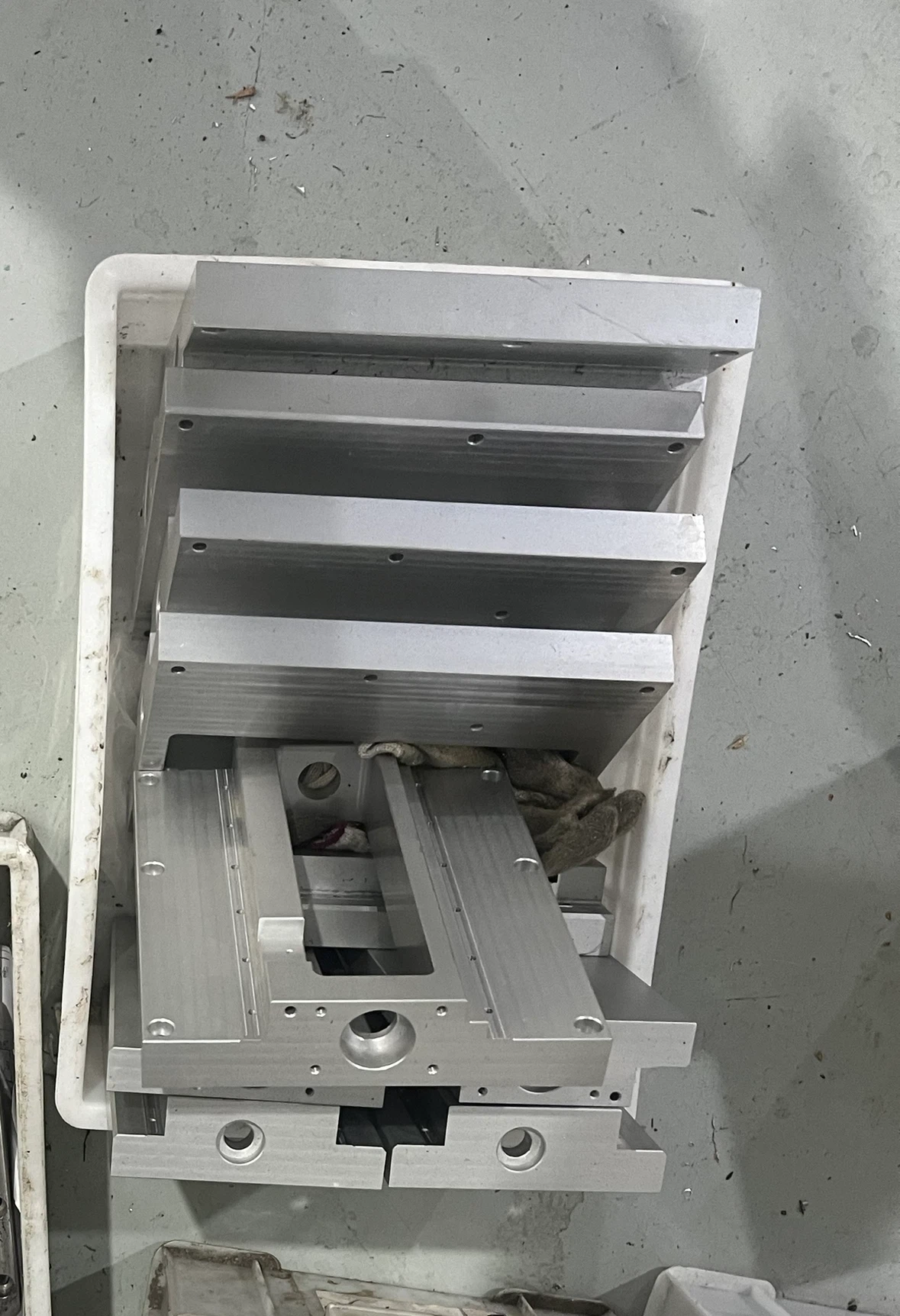
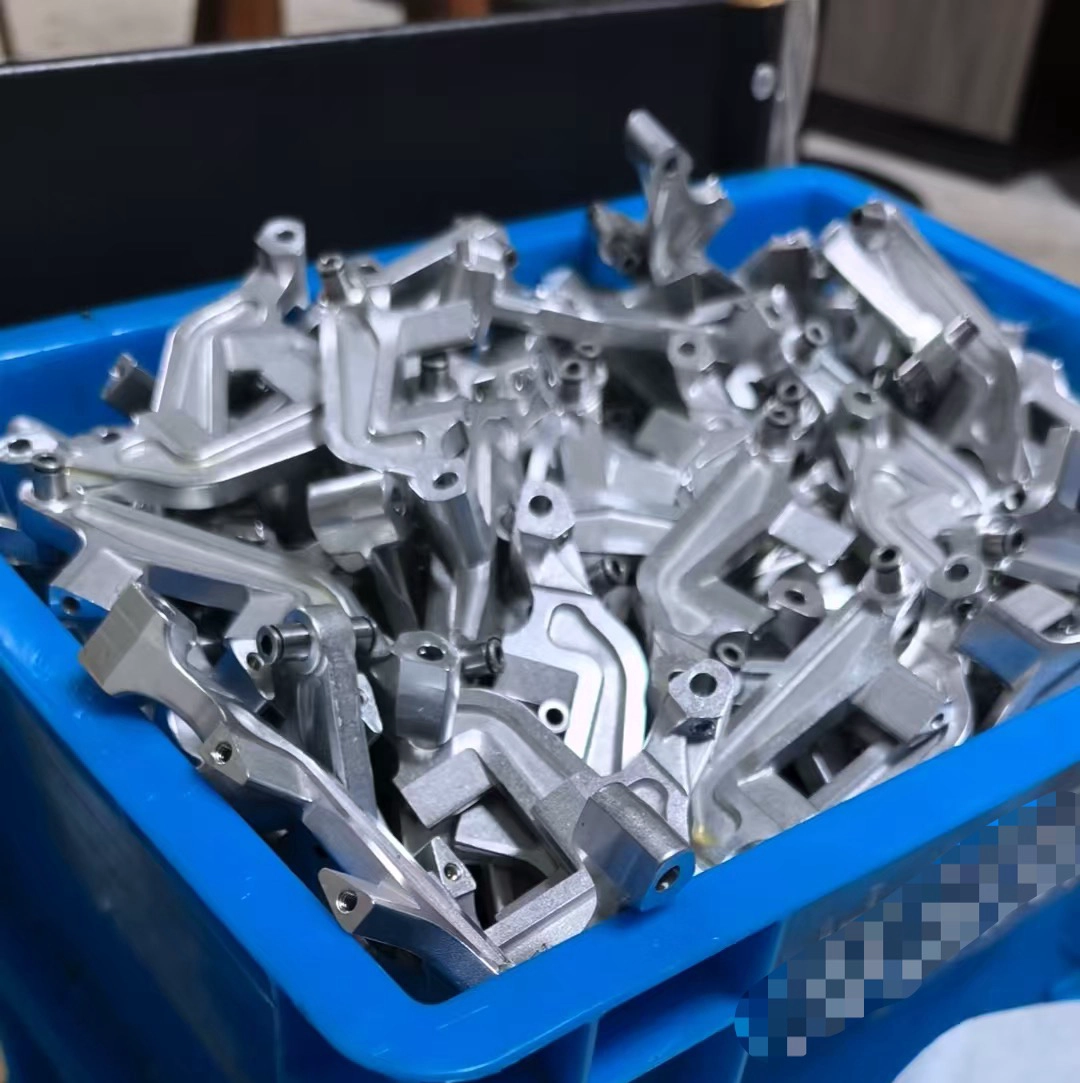
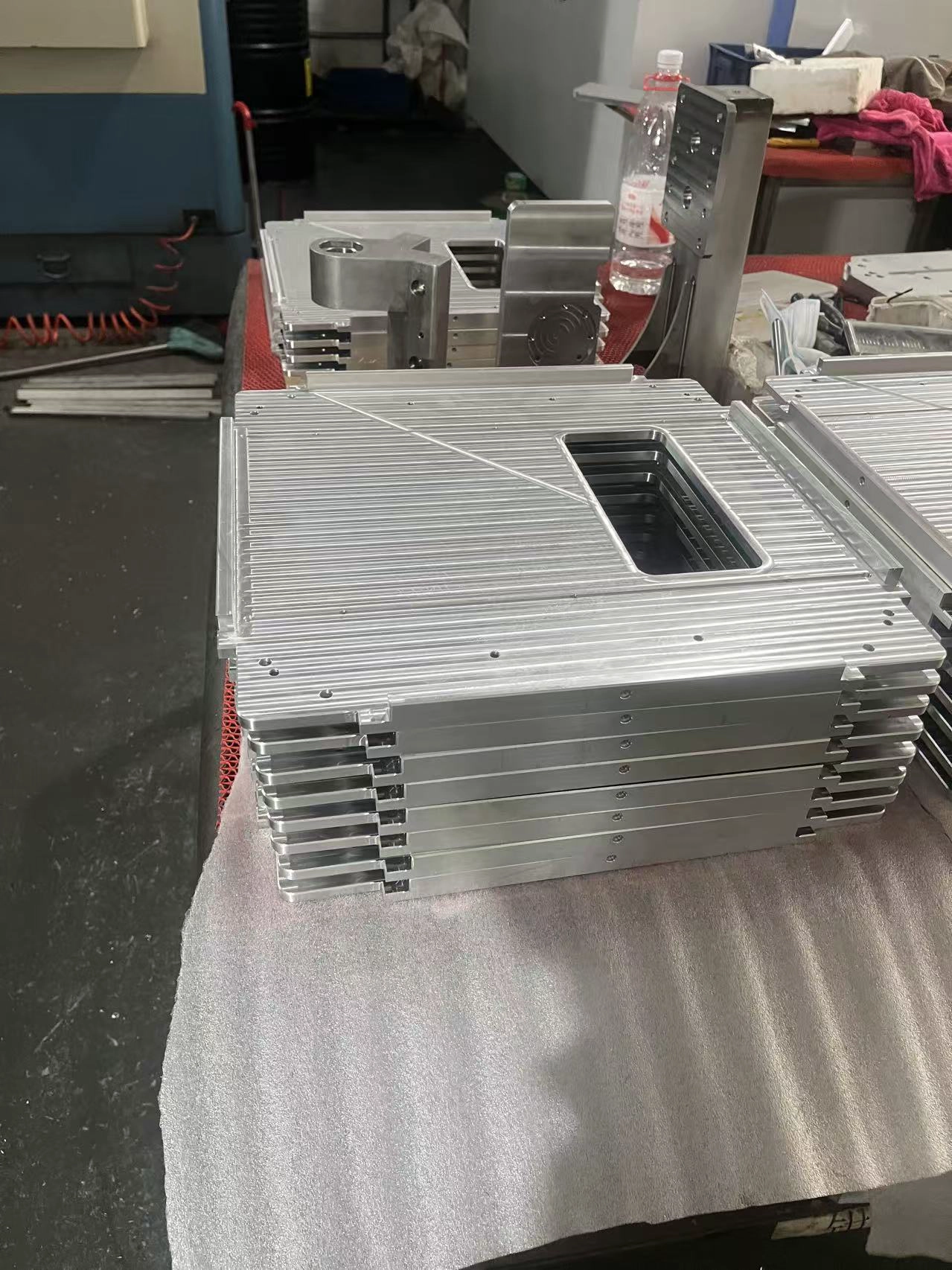
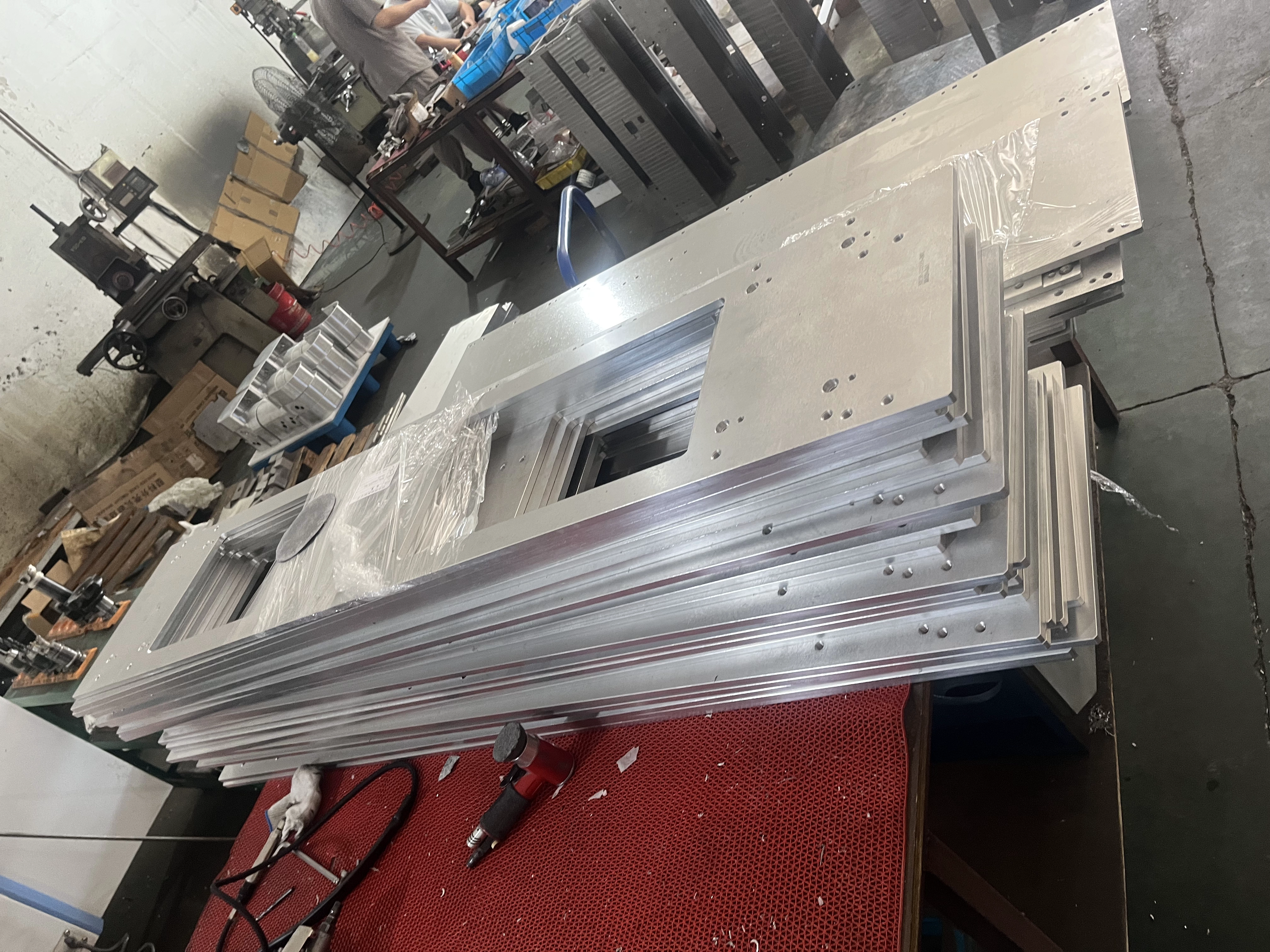
What is SheetMetal Fabrication?
Sheet metal fabrication is a quick process that produces minimal material wastage and is widely used across consumer industries and specialist industries. Let us now take a look at some basic sheet metal fabrication techniques.
What is Sheet Metal Fabrication? What are its Basic Techniques?
In the world we live in, almost everything is either made of metal or has metallic components. Since the first discovery of metals back around 4000 BC, they have become the foundation of industrialization. All metals used in industrial processes start as ores.
After being extracted from mines, the ores are transported to smelting facilities where the metals are separated from the dregs. The metals are then sent to foundries, where they are melted into a liquid and cast into blocks of different shapes and sizes. Sheet metals start as long ribbons rolled out into desired thicknesses. These ribbons are then further flattened into large sheets of various lengths and thicknesses. Sheet metal fabrication is the process that comes into play at this point.
What is Sheet Metal Fabrication?
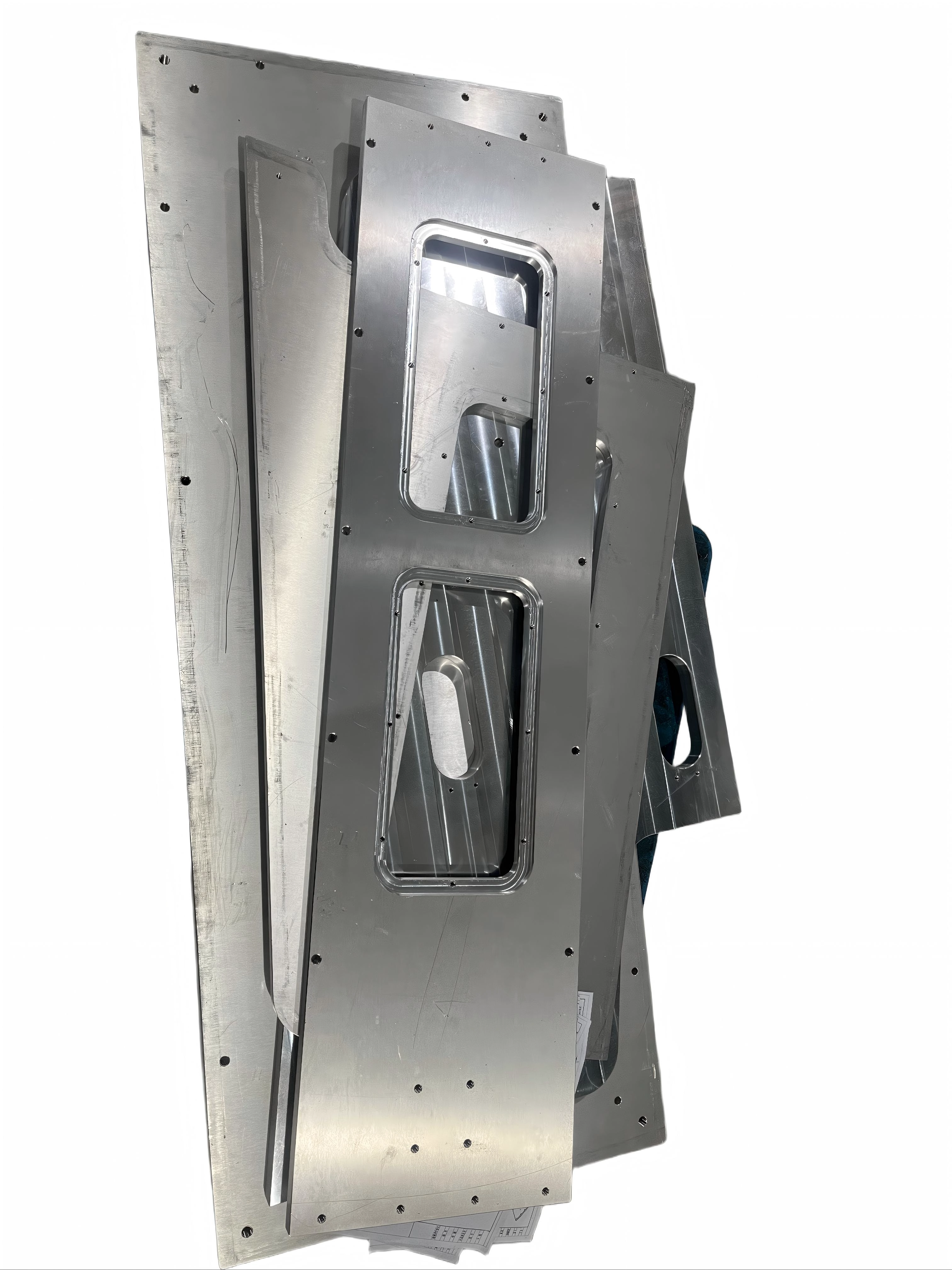
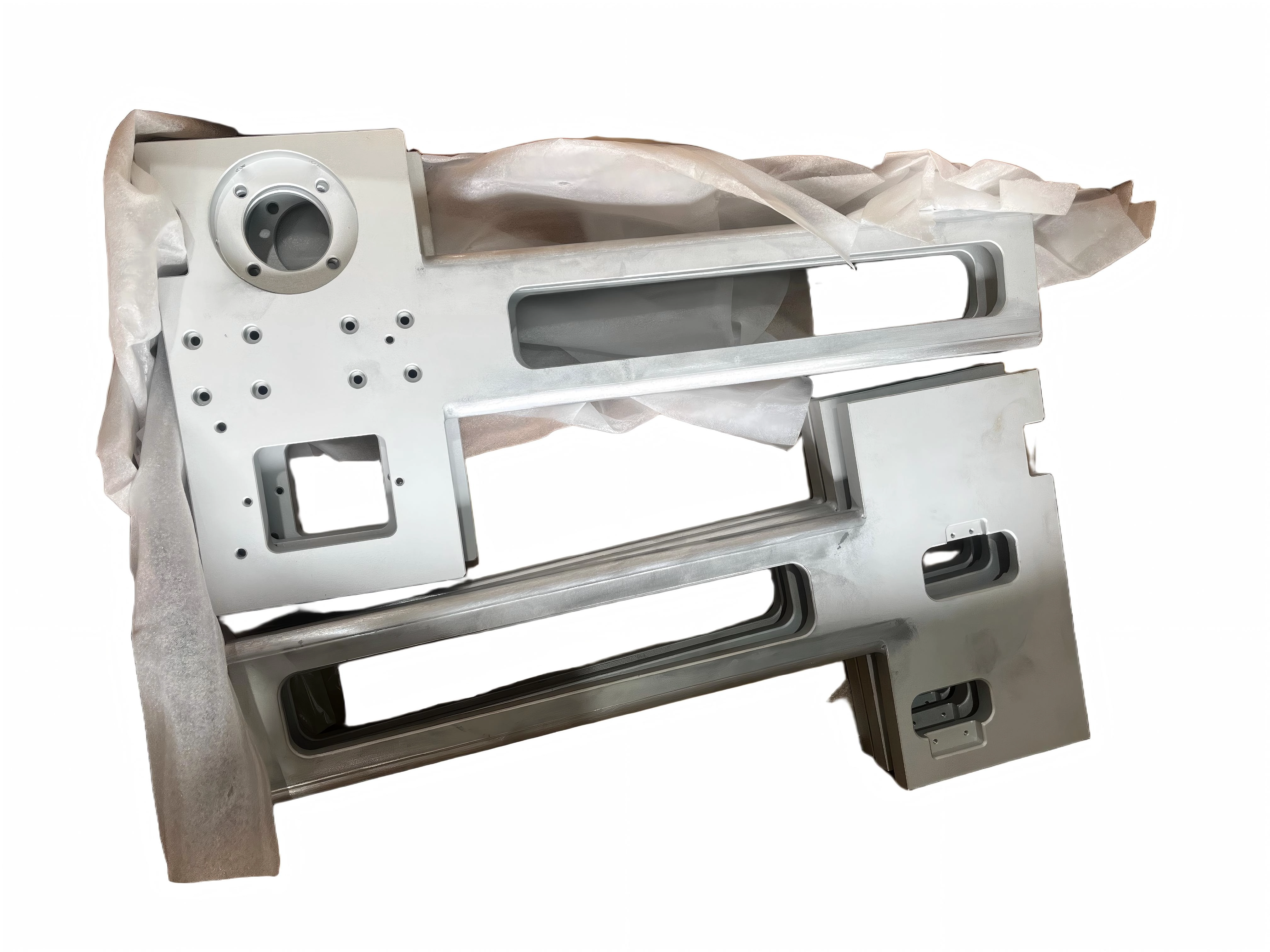
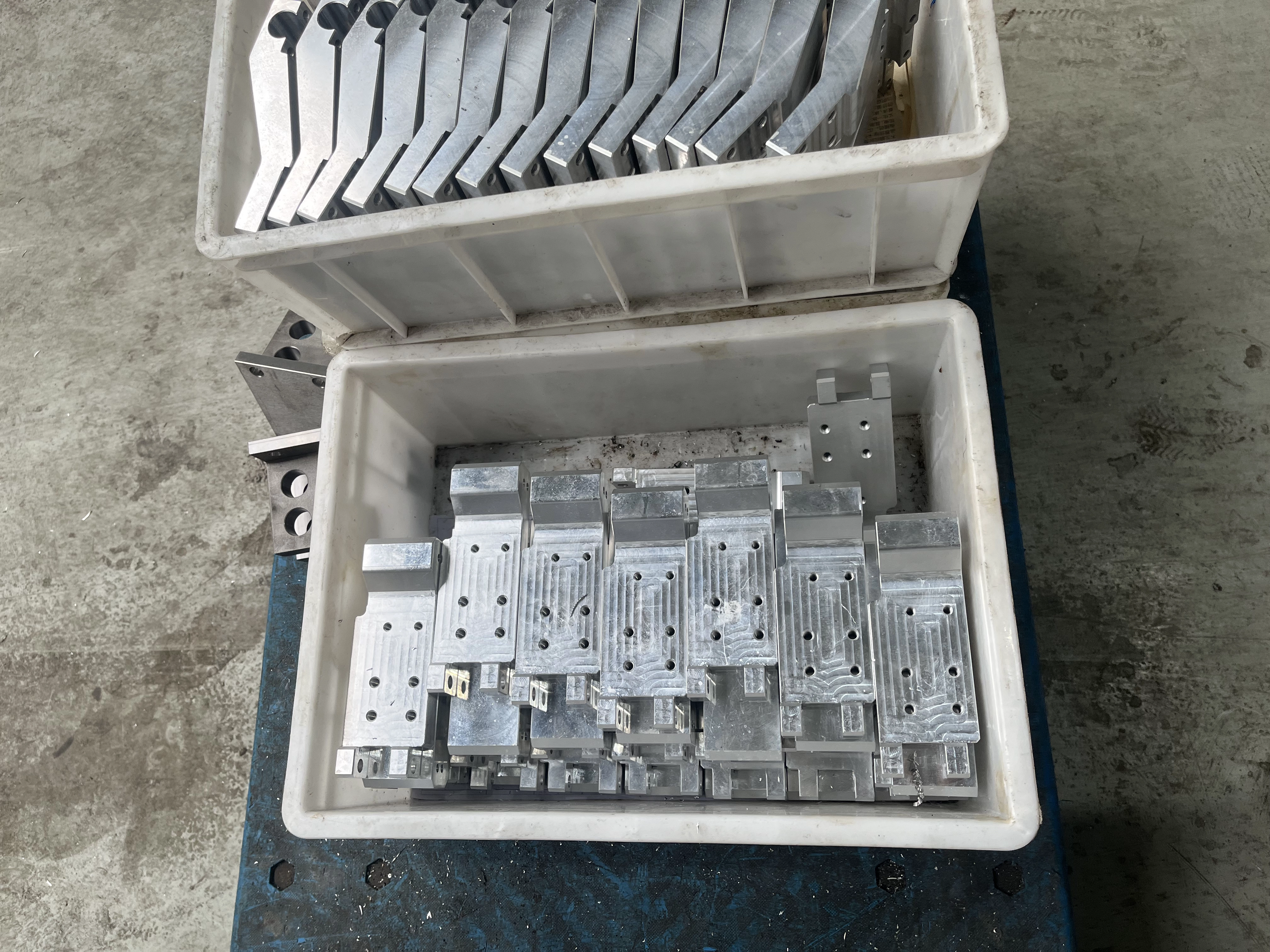
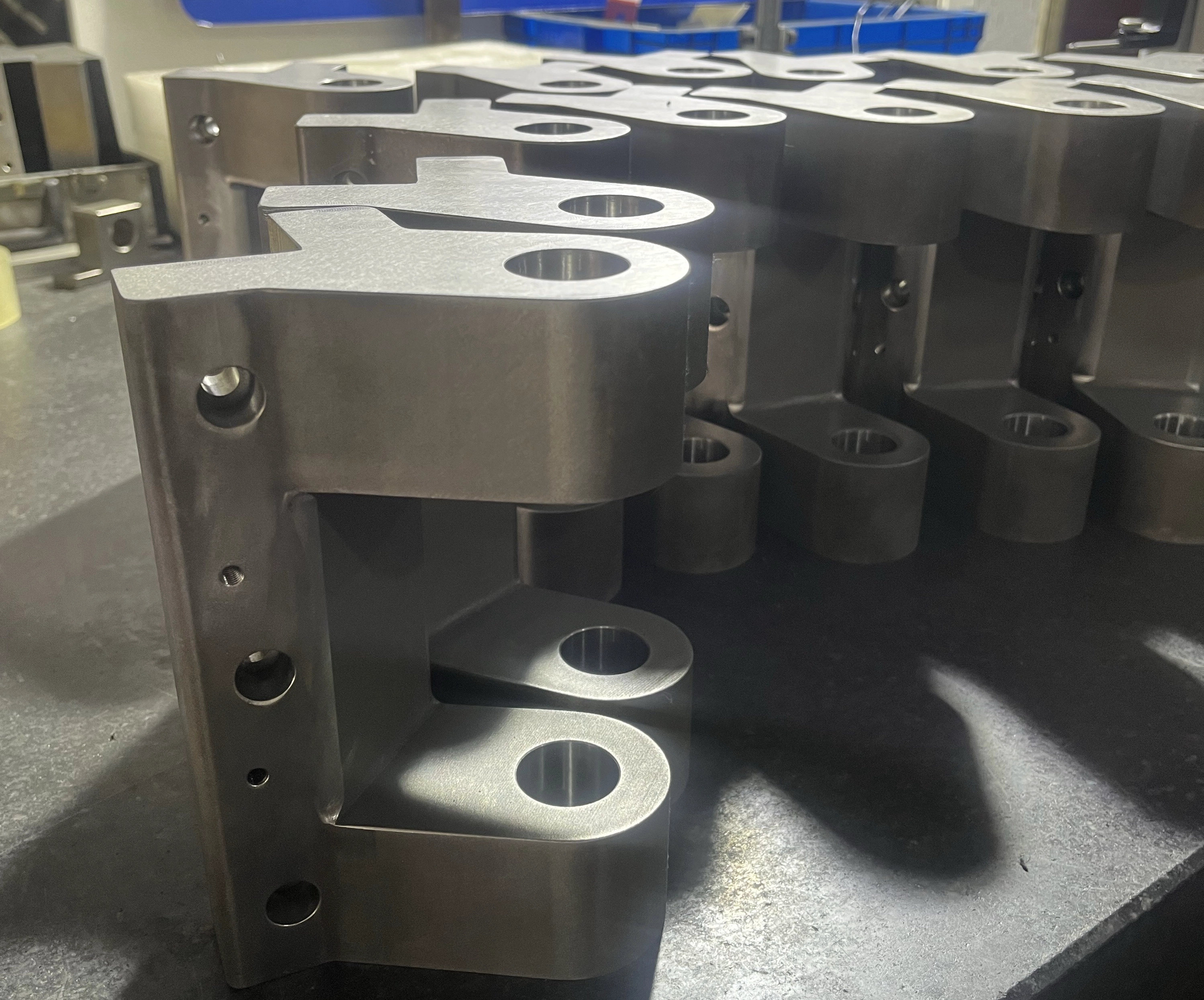
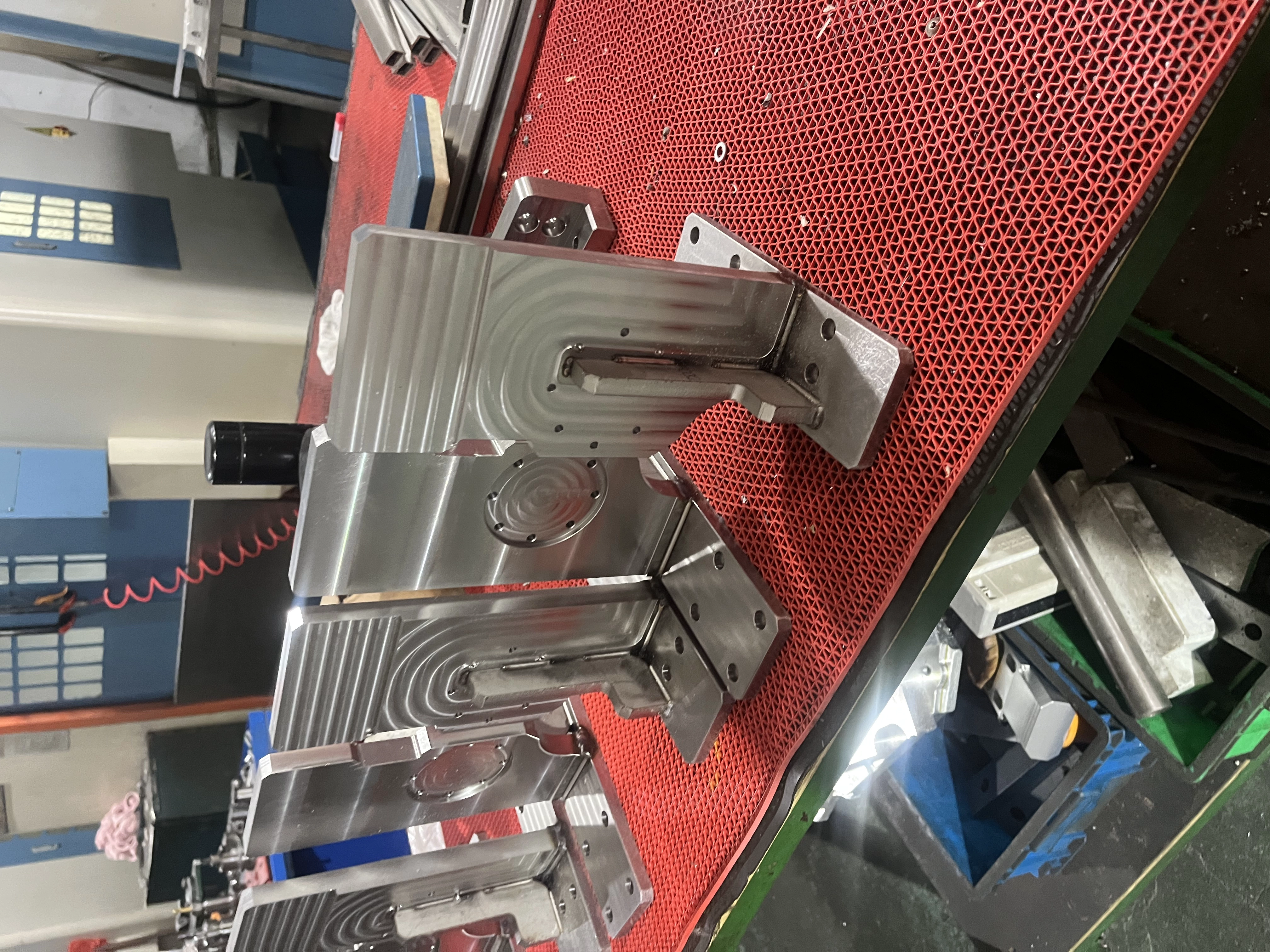
Sheetmetal fabrication manufacturer is a set of multifaceted manufacturing processes that turn sheet metal into robust functional parts using different manufacturing methods. Sheet metal fabrication comprises multiple processes, from cutting and bending to surface treatment and assembling to manipulate the sheet metal in different ways. Common sheet metals include copper, zinc, steel, stainless steel, and aluminum.
Sheet metals are usually between 0.006 and 0.25 inches (0.015 and 0.635 centimeters) in thickness. The thinner the sheet metal, the more malleable it is. Thicker sheet metals are used for heavy-duty parts with strenuous applications.
When making partially flat or hollow parts, sheet metal fabrication offers a cost-effective alternative to processes like casting and machining. Sheet metal fabrication is a quick process that produces minimal material wastage and is widely used across consumer industries and specialist industries.
Let us now take a look at some basic sheet metal fabrication techniques.
What Are Some Basic China Sheet Metal Fabrication Techniques?
1. Cutting
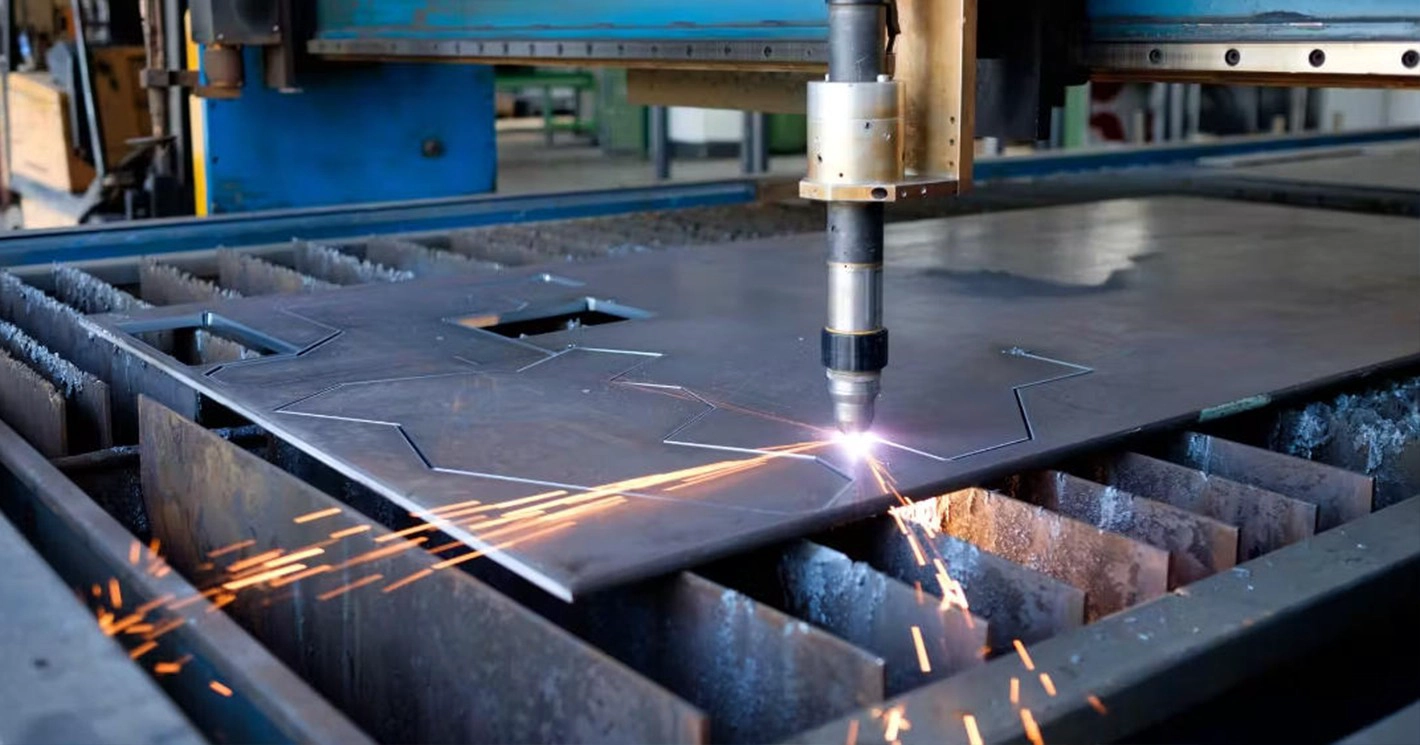
One of the most common processes in sheet metal fabrication is the cutting technique employed to divide large sheets into several parts, produce metal pieces of precise measurements, and create accurate perforations. There are several ways to perform the cutting process, including:
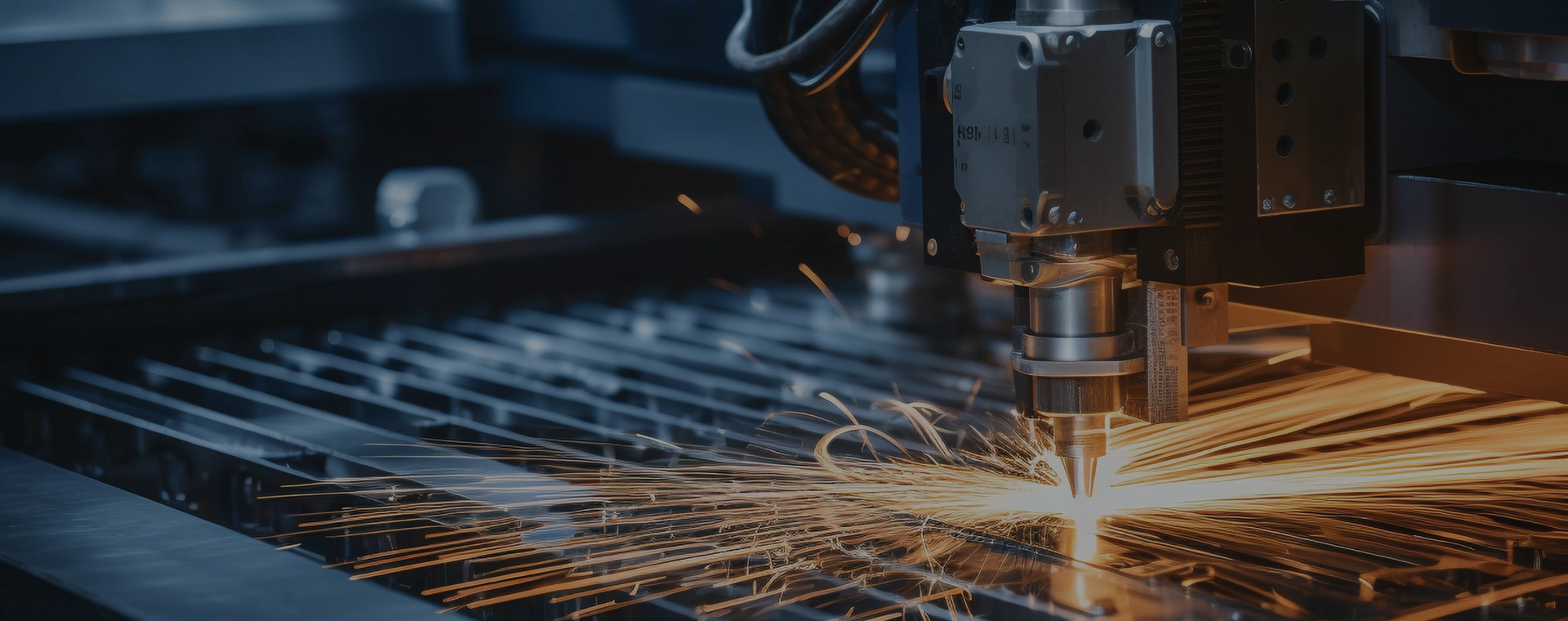
- Laser Cutting: This is a very precise and powerful method suitable for cutting thin or medium sheet metal gauges. Laser beam cutting can be computer-controlled for accurate results. However, this method may not be optimum for the hardest metals.
- Water Jet Cutting: This is a sheet fabrication cutting method that employs a high-pressure jet of water mixed with an abrasive substance to cut through the metal. The water jet cutting method is particularly useful for cutting sheet metals with a low melting point.
- Plasma Cutting: Fast and powerful with low setup costs, plasma cutting is a widely used technique to cut through thick metal plates using an electrically conductive ionized gas-like substance. It can penetrate even thick gauges of sheet metal.
2. Deformation
Sheet metal deformation is another major technique of sheet metal fabrication. This process can include a variety of methods to manipulate sheet metal without cutting into it. Some common deformation techniques are:
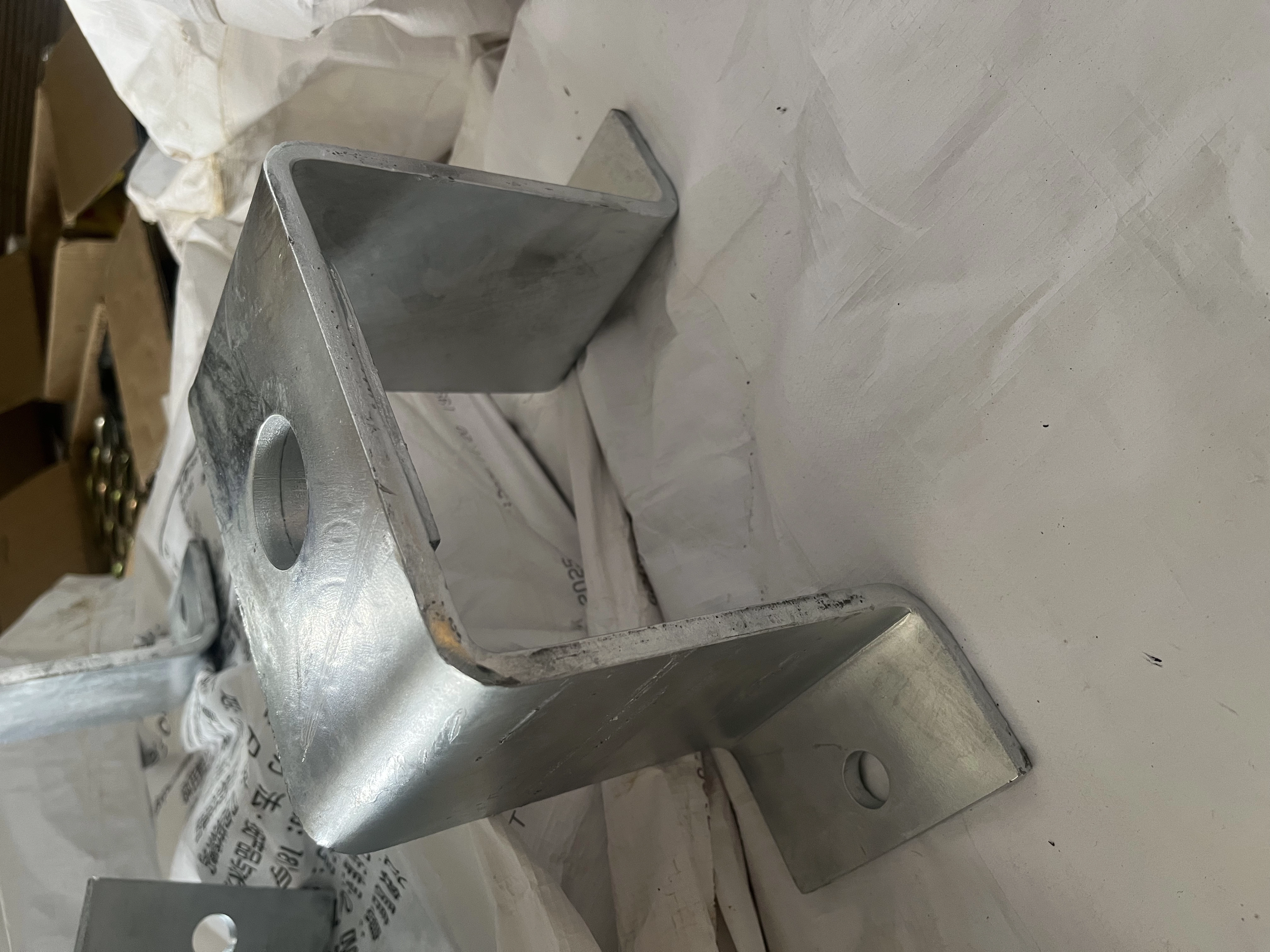
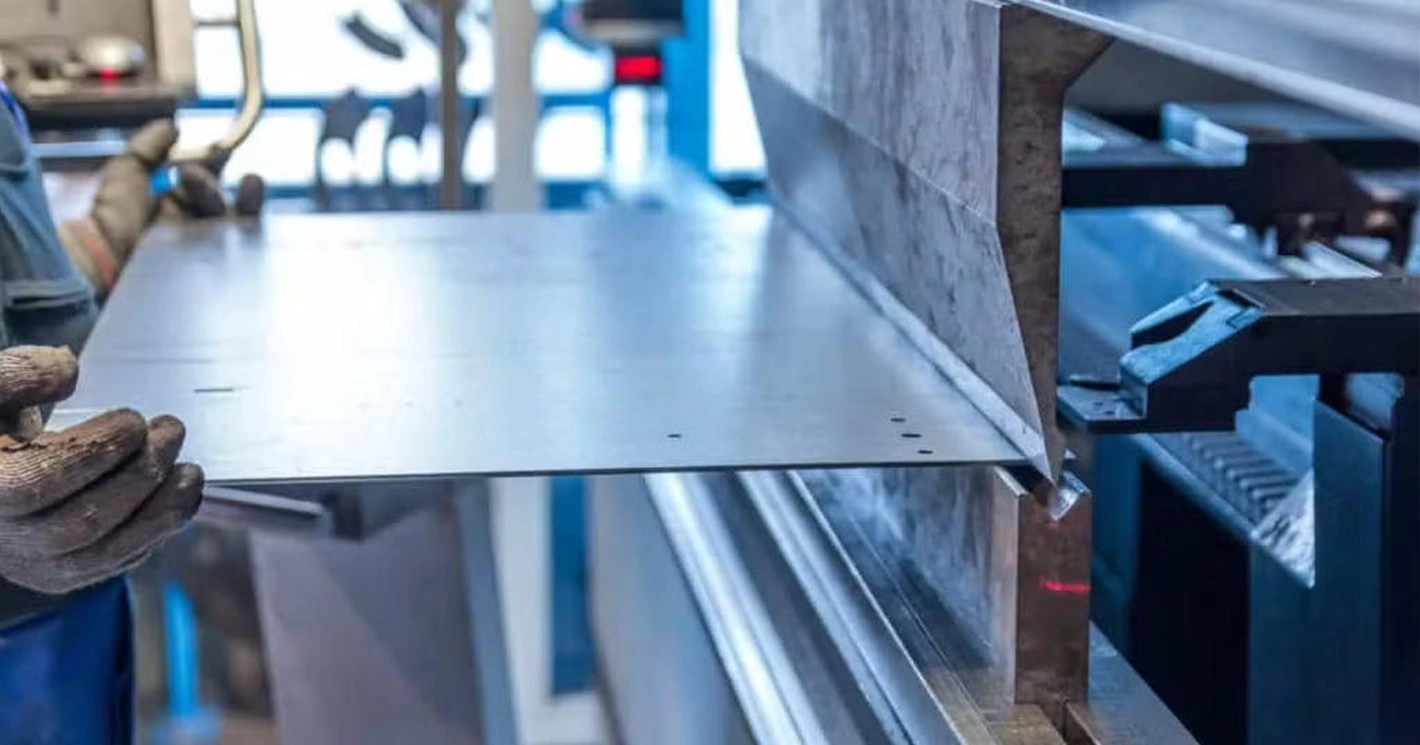
- Bending: Sheet metals can be bent into “V” shapes, “U” shapes, and different angles of up to 120 degrees with the help of a machine called a brake. The thinner the sheet metal, the easier it is to bend. The reverse of the process, i.e., removing the bends from sheet metals, is called decambering.
- Stamping: The deformation process of stamping involves using a hydraulic or mechanical stamping press equipped with a tool and die and can be used for specific tasks like drawing, curling, embossing, flanging, and hemming.
- Spinning: This is a sheet metal fabrication process that uses a lathe to rotate sheet metal pressed against a tool. Spinning is useful for creating rounded sheet metal parts like cones and cylinders.
3. Welding
The welding process is used to join sheet metals together. Various welding techniques can be employed for different kinds of metals and the thickness of the material. Given below are some common welding methods:
- MIG Welding: An arc welding process wherein a continuous wire electrode is fed through the welding gun and into the weld pool. MIG welding uses wire and gases to form a metal bond. Shielding gas is also sent through the welding gun to protect the weld pool from contamination.
- TIG Welding: Also known as gas tungsten arc welding, this process is ideal for sheet metals that are up to 8-10 mm thick. TIG welding uses an electric arc and an infusible tungsten-based electrode to produce the weld.
- Laser Welding: In this welding technique, laser beams are used to fuse pieces of metal. Laser welding generates consistent, high-quality welds.
4. Stretching
Sometimes, sheet metals need to be stretched to remove defects. The two most common ways of achieving this are discussed below:
- English Wheel: Based on the traditional anvil, the English Wheel stretches sheet metal by pressing it against a lower anvil and upper wheel and can be used to smooth out any imperfections.
- Stretcher Machines: A stretcher machine is equipped with powerful jaws that seize the ends of a piece of sheet metal and slowly stretch it to the desired size.
5. Shrinking
This sheet metal fabrication technique is used to smooth out dents in the metal. Heat shrinking and tucking are common shrinking methods used in the industry. Some companies may use shrinker machines to automate the shrinking process.
Conclusion
Numerous techniques can be used for sheetmetal fabrication in China, depending upon your requirements. Often, a combination of methods is used to get the optimum result. The best variety of sheet metal fabrication tools differs for various kinds of projects, with the malleability of the metals you are working with being one of the major influencers.