













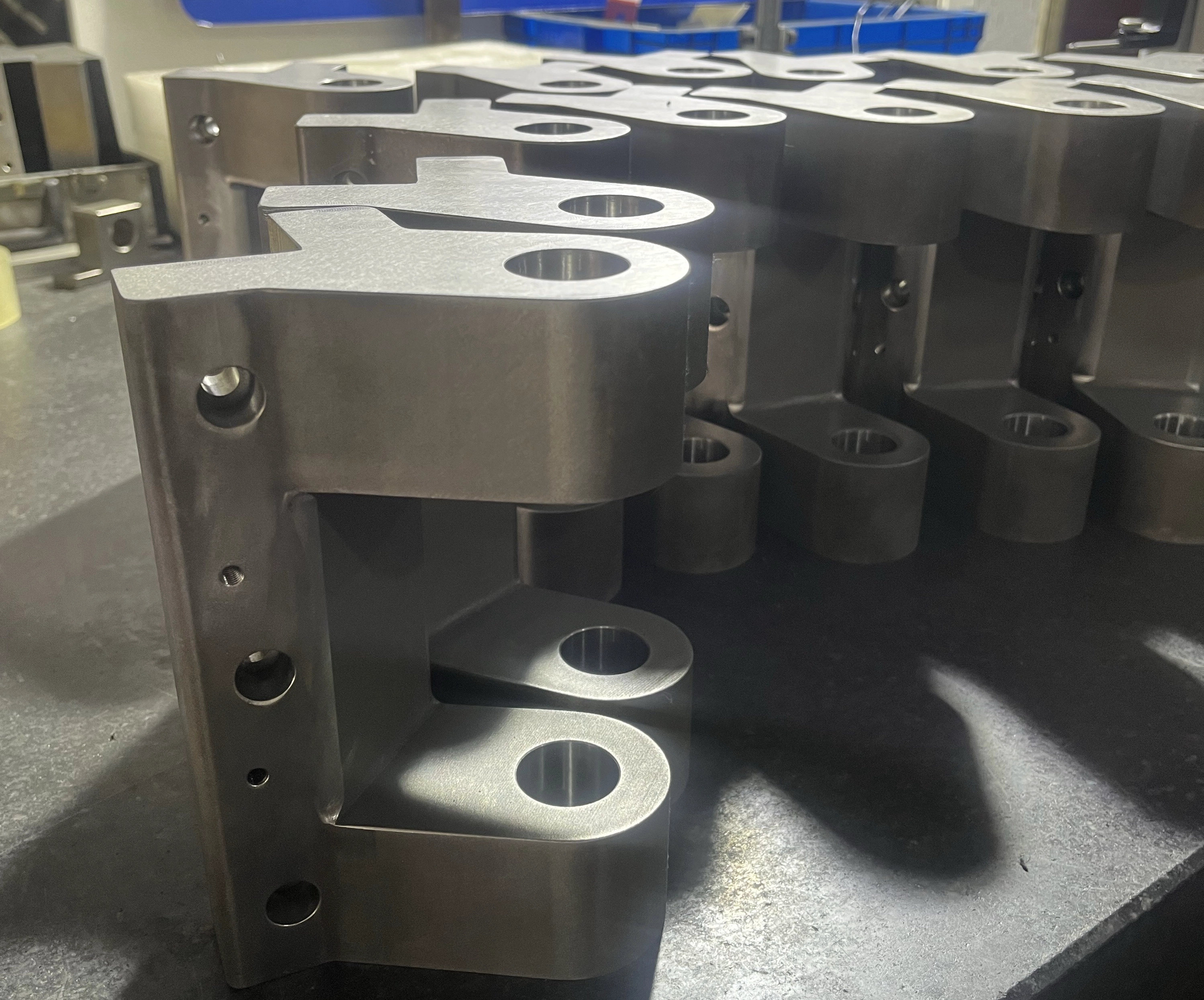
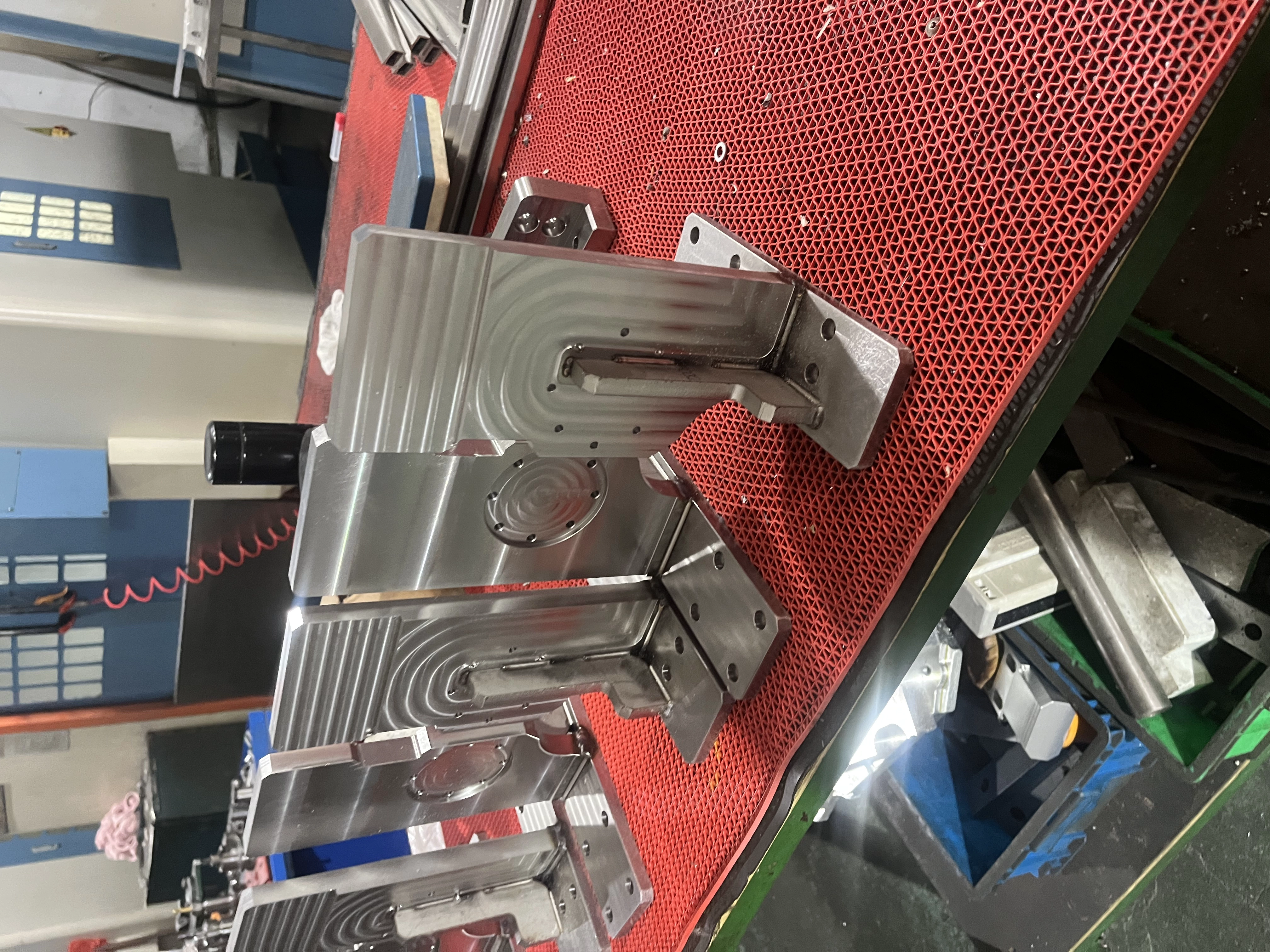
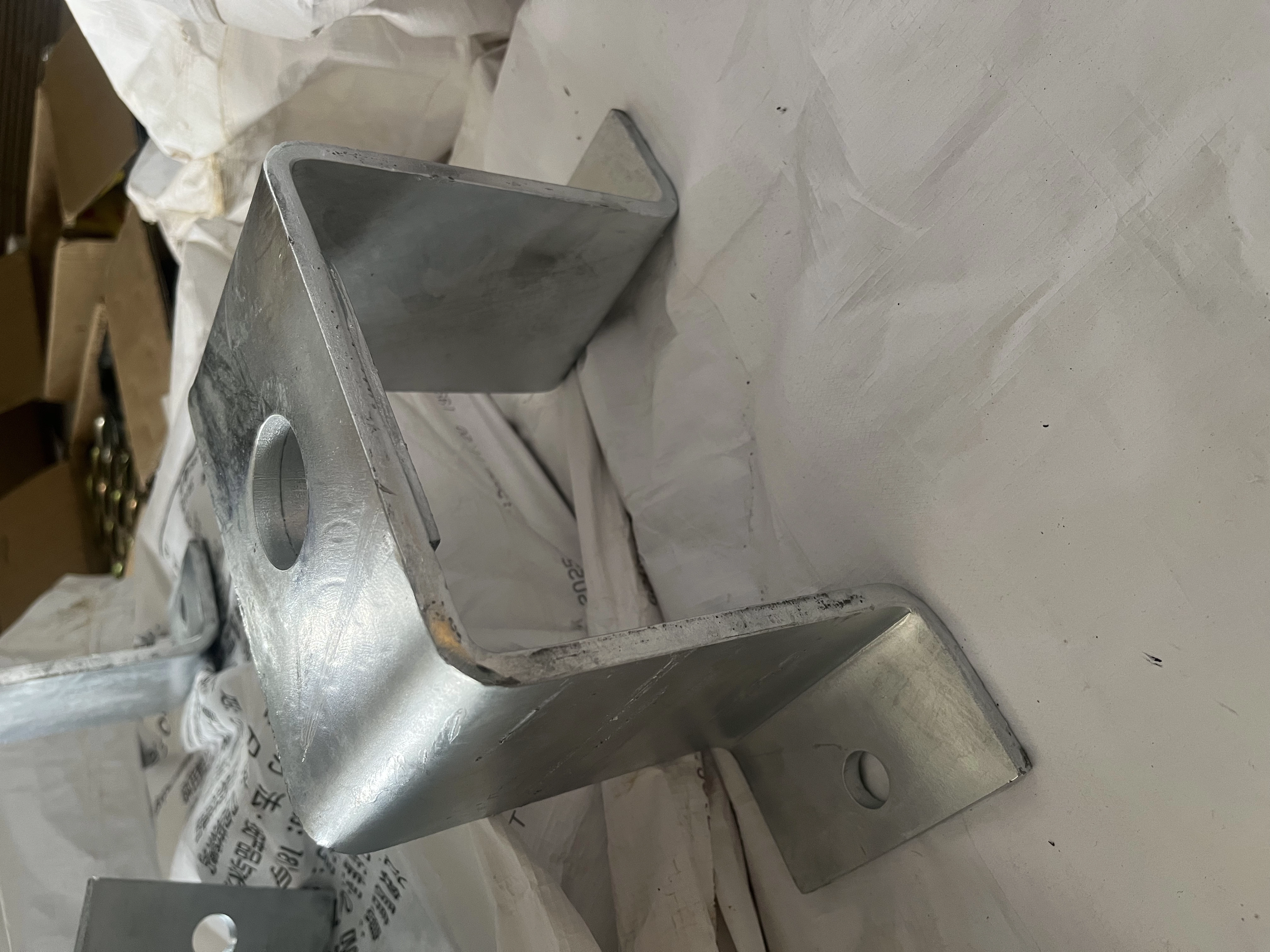
Precision in Practice: A Guide to Industrial Sheet Metal Fabrication
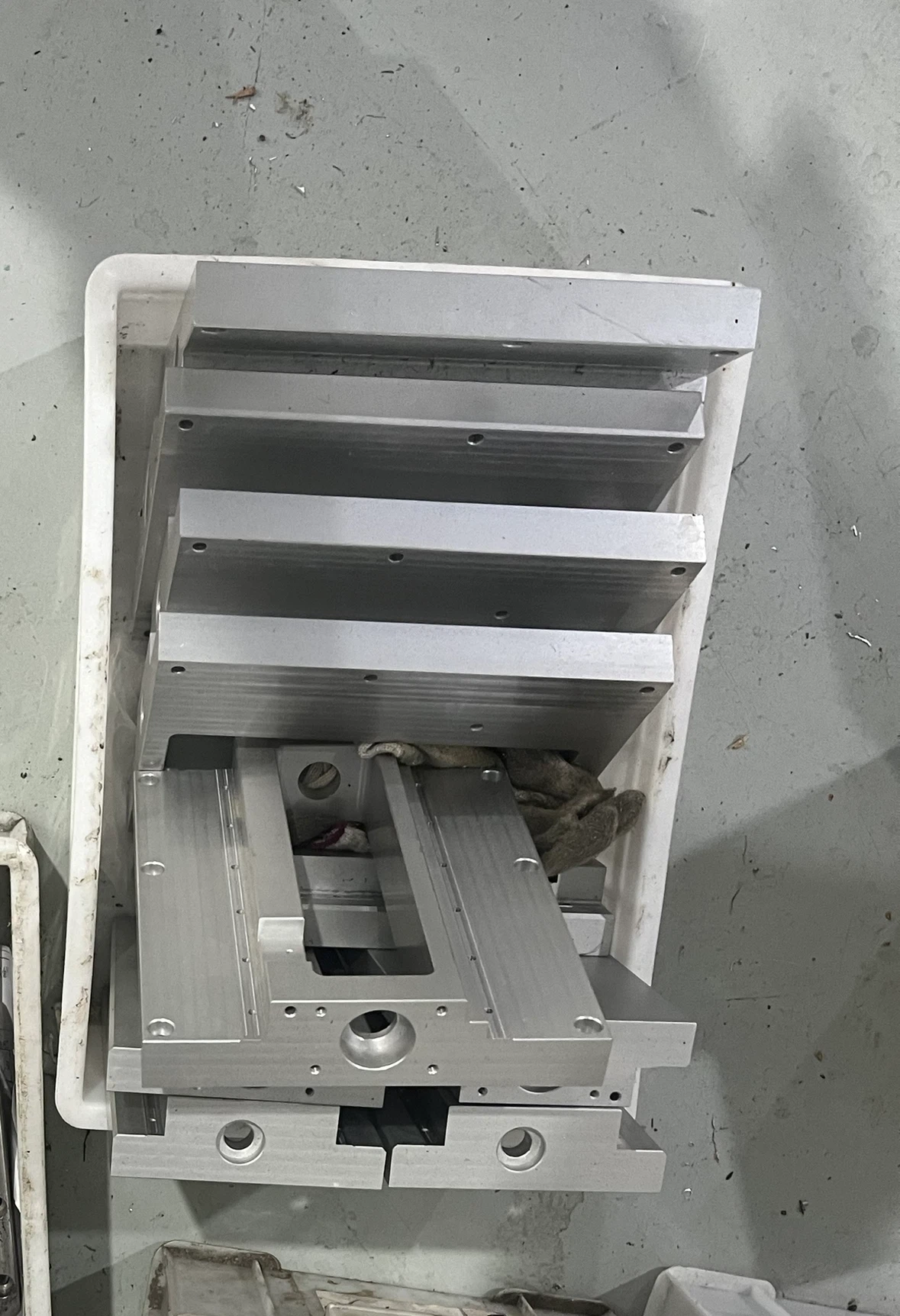
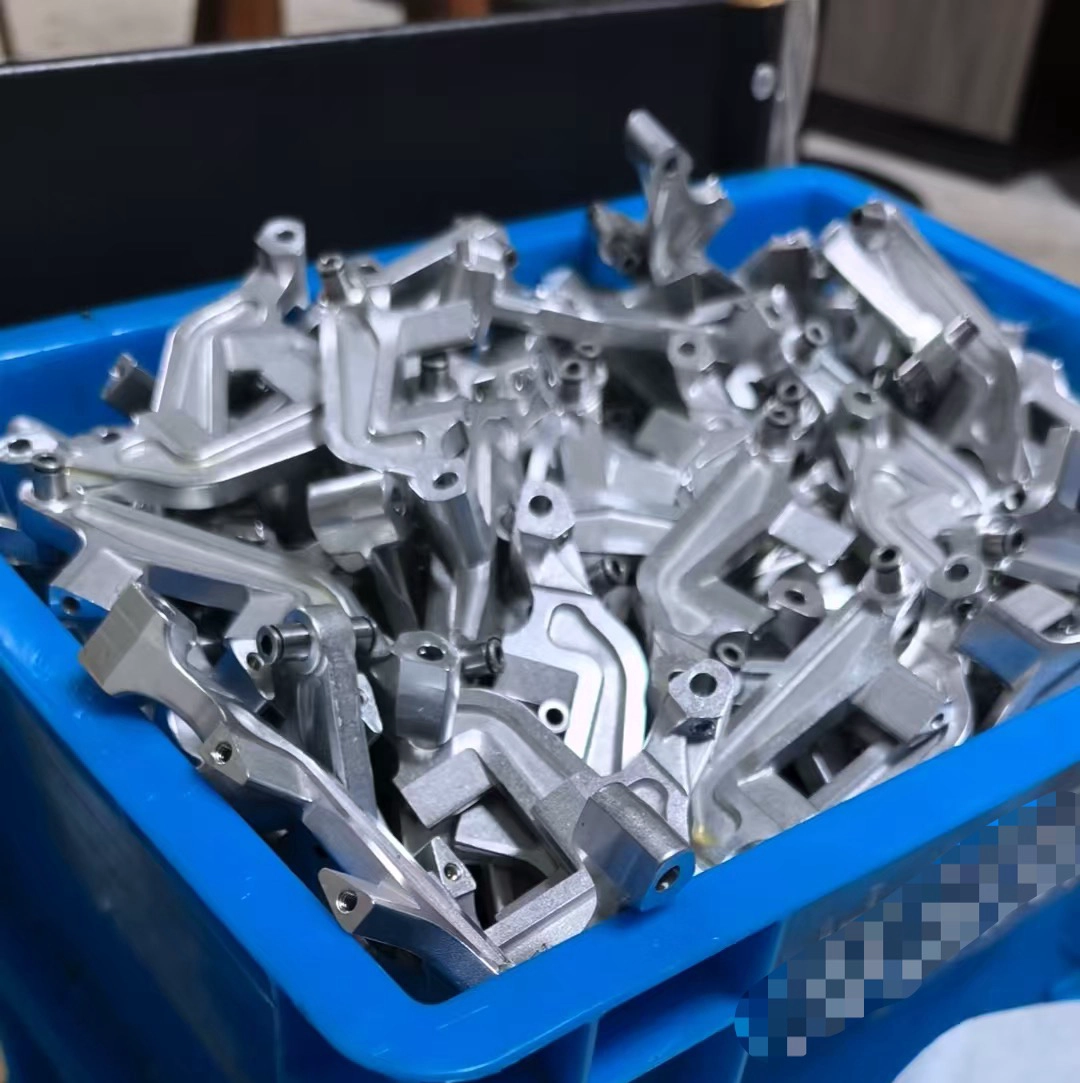
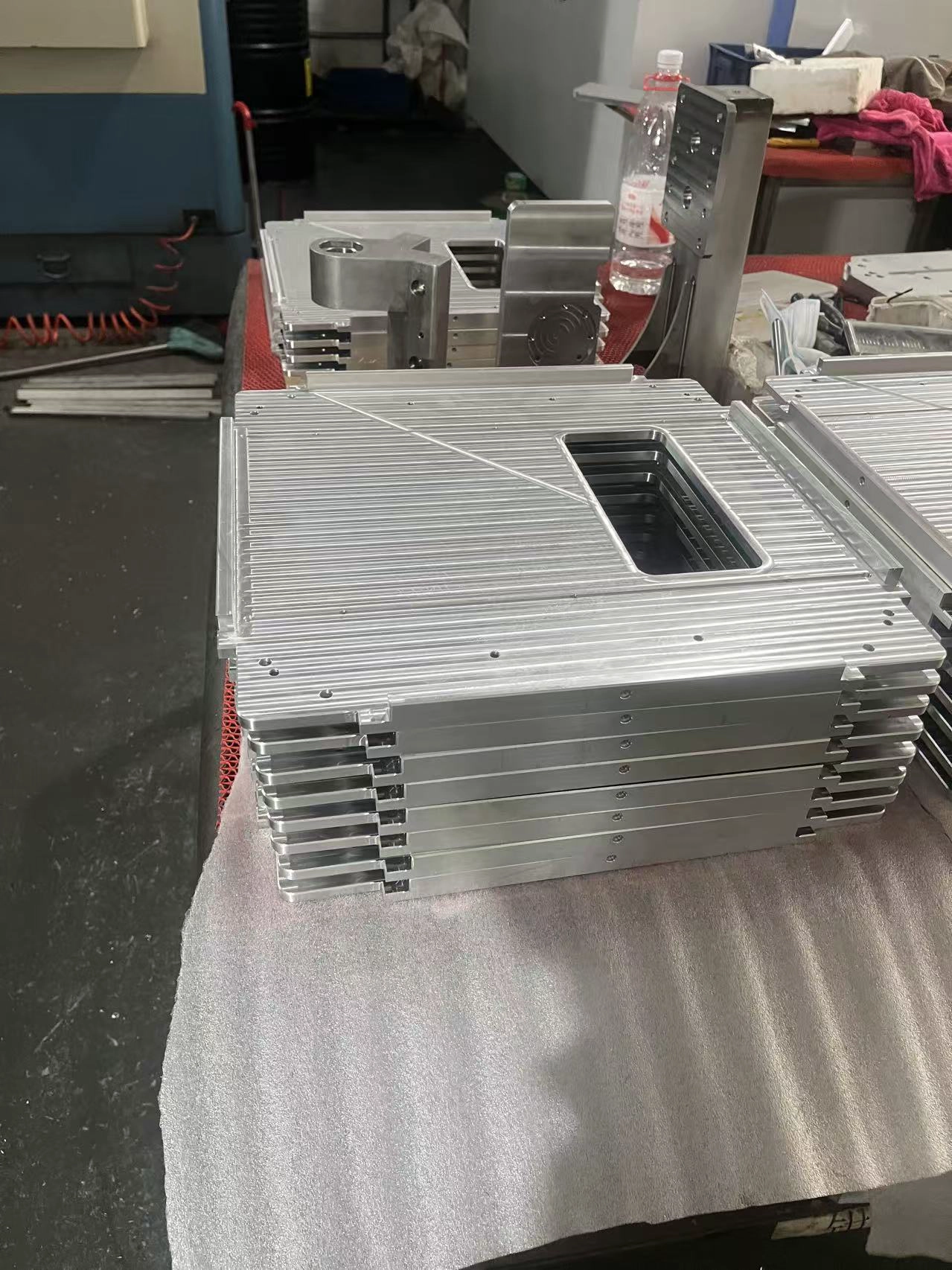
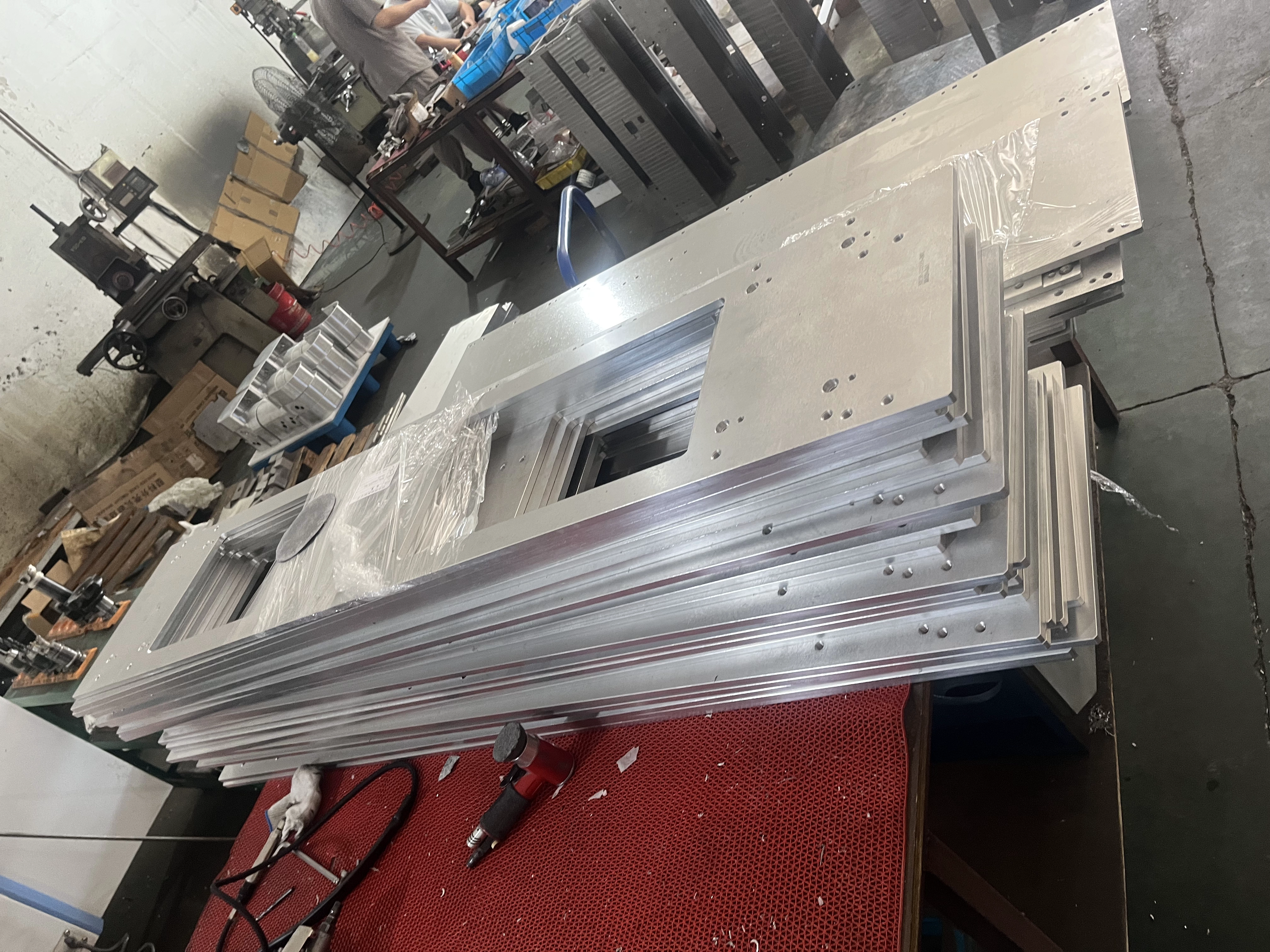
In the world of modern manufacturing, few processes are as fundamental and versatile as sheet metal fabrication. From the sleek enclosure of a smartphone to the robust chassis of an industrial robot, fabricated sheet metal forms the backbone of countless products. At the heart of this transformative process lies a non-negotiable principle: precision. Achieving it is not a single action but a disciplined practice that spans design, programming, machining, and finishing. This guide explores the critical stages where precision is paramount in China industrial sheet metal fabrication.
Stage 1: The Digital Blueprint – Where Precision Begins
Precision is first and foremost a function of design. Before any metal is cut, the component is born as a digital model, typically using Computer-Aided Design (CAD) software. This stage sets the foundation for everything that follows.
Design for Manufacturability (DFM): A precise design is a manufacturable one. Engineers must consider the capabilities and limitations of the fabrication equipment. This includes specifying appropriate bend radii, accounting for material stretch and springback, and designing features that can be cleanly punched or cut. A design that looks perfect on screen may be impossible or costly to produce without DFM consultation.
Tolerancing: Defining acceptable dimensional limits is crucial. General tolerances (e.g., ±0.5mm) suffice for non-critical features, while critical interfaces require tighter geometric dimensioning and tolerancing (GD&T). Clear, well-defined tolerances prevent ambiguity and ensure the final part meets functional requirements.
Stage 2: From Digital to Physical – The Cutting-Edge Phase
Once the design is finalized, the digital model is translated into machine instructions via Computer-Aided Manufacturing (CAM) software. This is where precision moves from the virtual to the physical realm through cutting technologies.
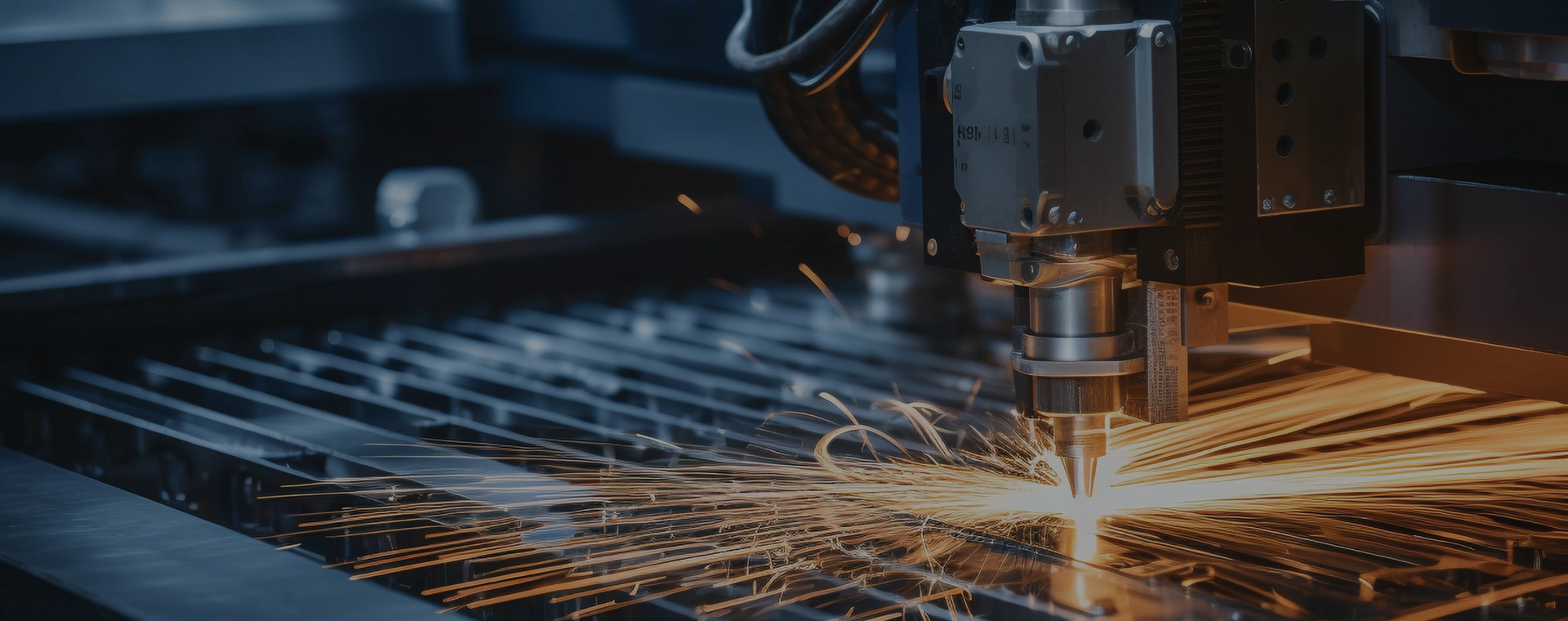
Laser Cutting: A high-power laser beam offers exceptional accuracy for both simple and complex profiles. Modern fiber lasers can achieve tolerances within a few thousandths of an inch (±0.1mm), producing clean, burr-free edges with minimal heat-affected zones. Precision here is about beam focus, speed, and power control.
CNC Punching: Ideal for high-volume production of parts with standard features (holes, slots), CNC punching uses a series of tools to stamp out shapes. Precision depends on the registration of the sheet and the accuracy of the turret positioning.
Waterjet Cutting: Utilizing a high-pressure stream of water mixed with an abrasive substance, waterjet cutting is a cold-cutting process. It is prized for its ability to cut thick materials and exotic metals without generating heat, maintaining material properties and holding strong dimensional accuracy.
Stage 3: Shaping the Form – The Art of Bending
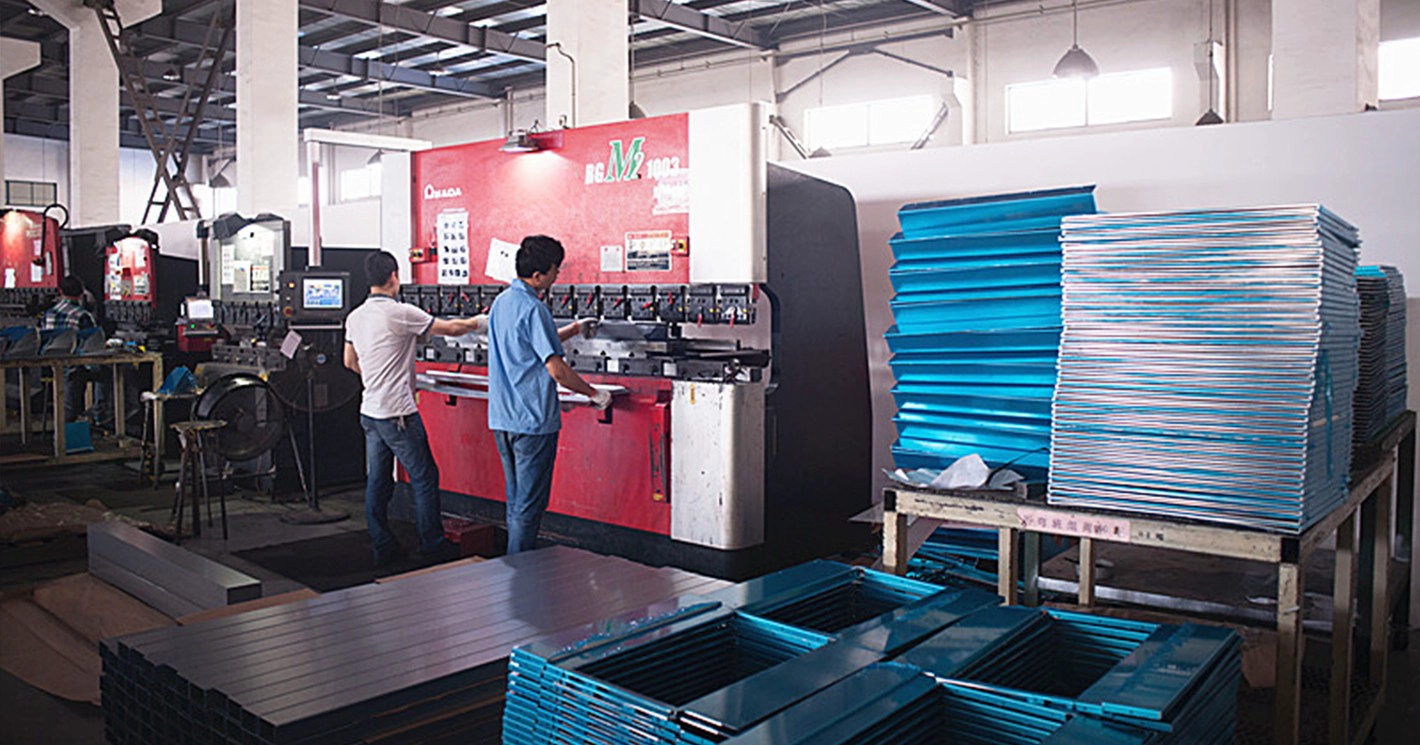
Perhaps the most visually dramatic stage is bending, where flat patterns are transformed into three-dimensional objects. This is a domain where theoretical precision meets practical material behavior.
CNC Press Brakes: These machines are the workhorses of bending. Precision is achieved through programmed backgauges that position the sheet accurately and sophisticated tooling. The operator’s skill in selecting the correct die and calculating bend deduction/allowance is critical.
Accounting for Springback: All metals have a degree of elasticity, meaning they will try to return slightly to their original flat state after bending. Precision practice involves over-bending the material to a calculated angle, anticipating this springback to achieve the desired final bend angle consistently.
Stage 4: Assembly and Finishing – The Final Touches
A collection of precisely fabricated parts is useless if they cannot be assembled accurately. Final finishing ensures both appearance and durability.
Welding and Joining: Techniques like TIG (Tungsten Inert Gas) and MIG (Metal Inert Gas) welding require a skilled hand to create strong, clean joints without distorting the precisely formed parts. Robotic welding cells offer repeatable precision for high-volume applications.
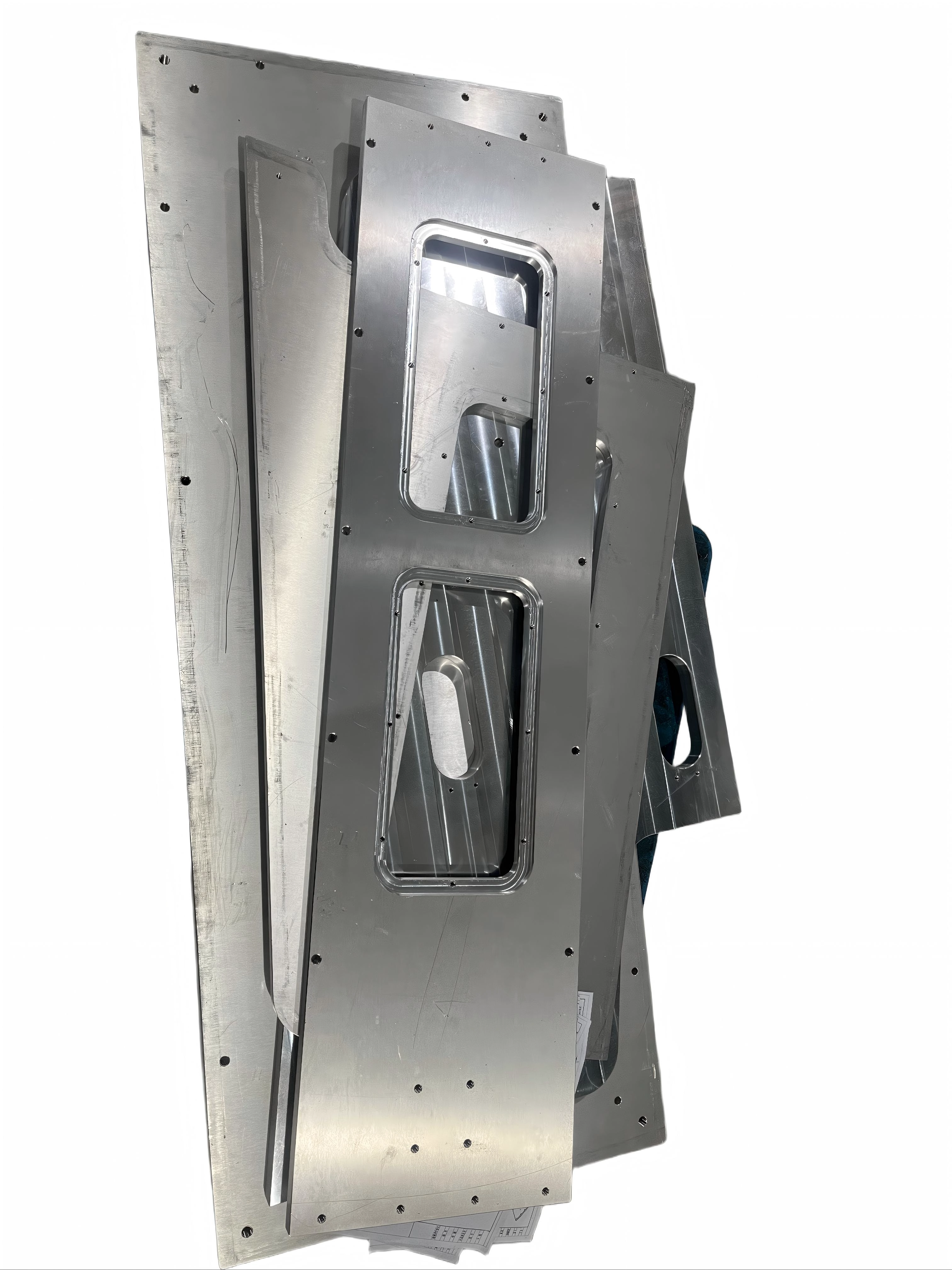
Fastening: Precision-drilled holes allow for consistent mechanical fastening with screws and rivets.
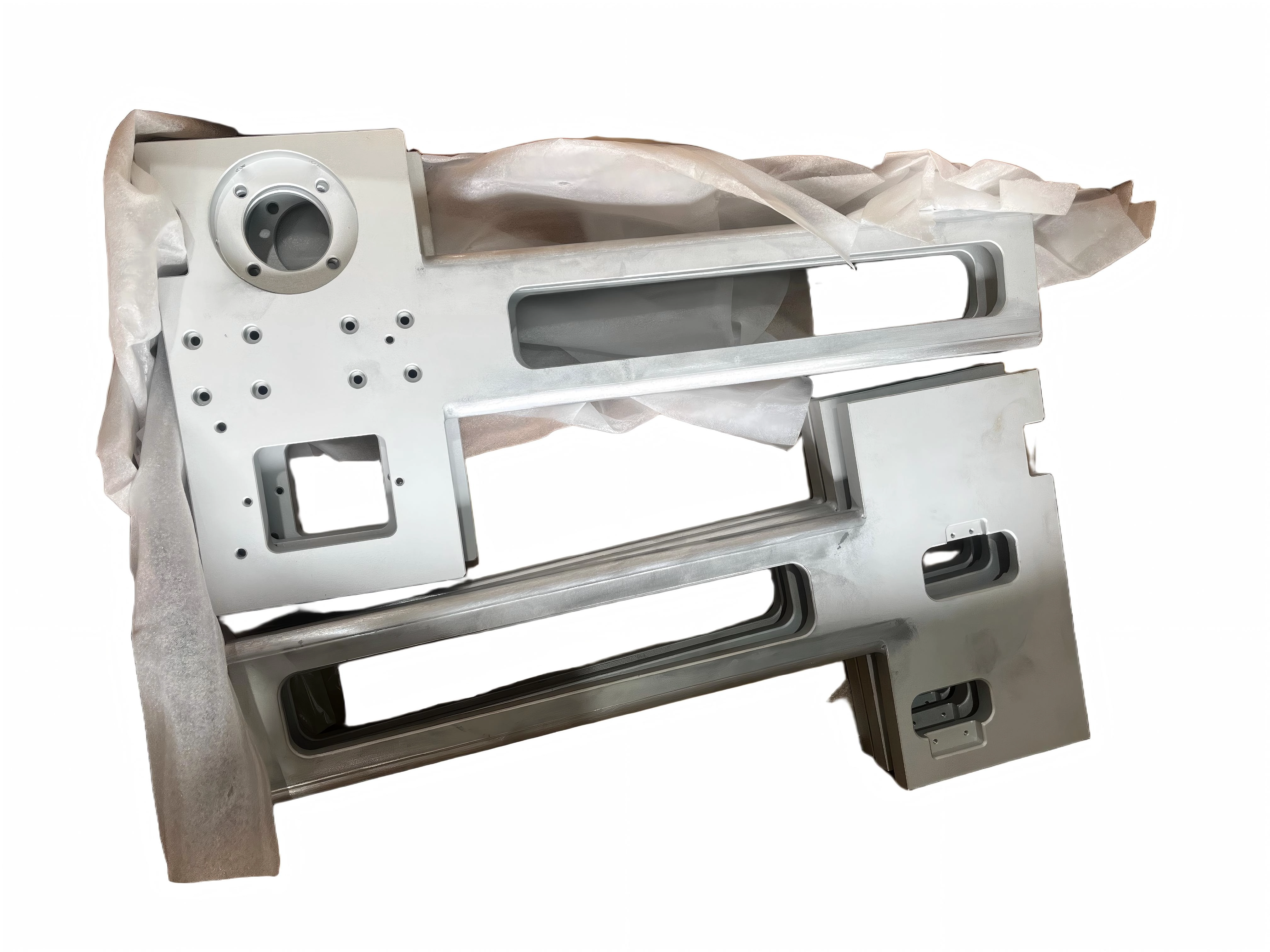
Surface Finishing: Processes like powder coating, anodizing, or chromating add protective and aesthetic layers. Precision in this phase means controlling coating thickness uniformly across the part to ensure corrosion resistance and proper fit upon assembly.
Conclusion: A Culture of Precision
Industrial sheet metal fabrication manufacturer is more than a series of steps; it is a culture of continuous measurement and validation. Precision is verified at every stage with tools ranging from simple calipers and micrometers to advanced Coordinate Measuring Machines (CMMs) that compare the physical part directly to the original CAD model.
Ultimately, precision in practice is the synergy of advanced technology, skilled craftsmanship, and rigorous quality control. It is the disciplined approach that transforms raw sheet metal into reliable, high-performance components that drive innovation across industries. By mastering each stage of this practice, fabricators deliver not just parts, but certainty.